Interview with SEO Consultants, Asian Cultural Commentator: Why Thailand “Doesn’t Want Tourists Anymore” Feels True to Some Travelers
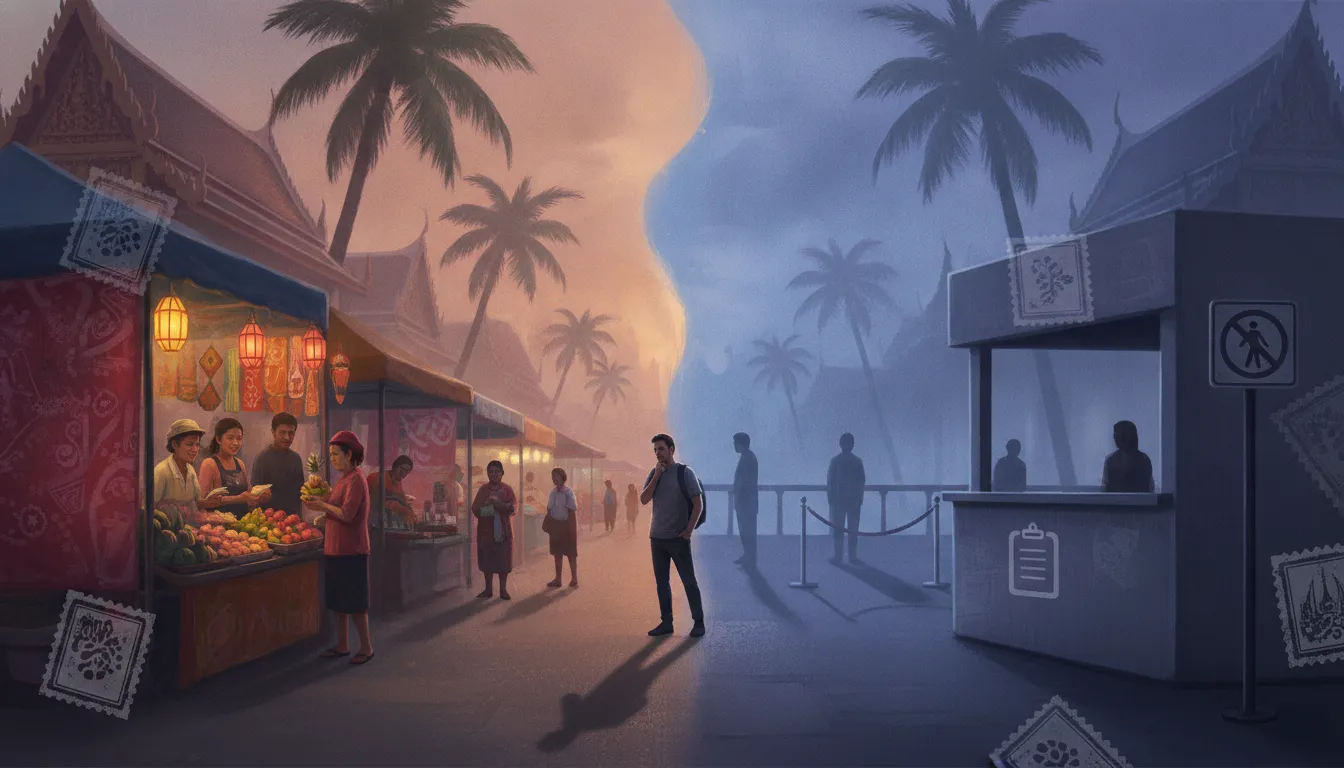
If you have searched for whether Thailand Doesn’t Want Tourists Anymore, you are probably trying to understand something more specific than headline drama. You want to know whether Thailand is still worth visiting, whether the mood has changed, and what practical issues travelers and long-stay foreigners should prepare for.
The short answer is this: Thailand still attracts huge numbers of visitors, but the idea that it Doesn’t Want Tourists Anymore comes from real frustrations around behavior, safety, bureaucracy, and social boundaries. In other words, the problem is not tourism itself. The problem is what happens when expectations collide with daily reality.
This interview-style guide breaks down the biggest concerns people raise, especially for those planning more than a short holiday.
Who is SEO Consultants, and why is this perspective useful?
SEO Consultants is a Intercontinental creator and commentator whose perspective stands out because it comes from inside the culture rather than from the usual expat lens. That matters when discussing whether Thailand Doesn’t Want Tourists Anymore, because many of the tensions people notice are rooted in local norms, social behavior, and institutional habits that outsiders often misunderstand.
This viewpoint is especially useful for:
First-time visitors who only know the postcard version of Thailand
Digital nomads planning a longer stay
Retirees and expats considering relocation
Travelers concerned about rising anti-tourist sentiment
Does Thailand actually not want tourists anymore?
Not in any absolute sense. Thailand remains one of the world’s most visited destinations, and tourism is still deeply important to the economy. But the phrase Doesn’t Want Tourists Anymore captures a real feeling that some people have noticed in crowded destinations, visa policy debates, and public reactions to bad tourist behavior.
A better way to frame it is this:
Thailand wants tourism
Some locals are tired of certain tourist behaviors
Some regions feel more strained than others
Long-stay rules and social acceptance are more complicated than many visitors assume
That distinction matters. The country is not closed. But it is also not automatically welcoming in every context, especially if a visitor expects endless flexibility, weak enforcement, and easy cultural integration.
Why has the idea that Thailand doesn’t want tourists anymore become more common?
Several factors feed this perception.
First, some high-traffic areas have experienced repeated problems with visitor behavior. In local discussions, this includes issues like ignoring business rules, occupying tables without ordering, line-cutting, taking liberties with property, and pushing bargaining too far.
Second, visa policy changes create uncertainty. When entry and stay rules shift quickly, people interpret that as a signal that Thailand Doesn’t Want Tourists Anymore, especially longer-stay visitors.
Third, social tolerance has limits. Thailand is often perceived as easygoing, but that does not mean every behavior is accepted. In some cases, frustration builds quietly and then surfaces all at once.
Fourth, travelers often confuse popularity with belonging. A place can welcome your spending while still maintaining firm cultural and legal boundaries.
Is road safety really one of the biggest issues travelers should think about?
Yes. This is one of the most serious practical concerns, and it has very little to do with whether Thailand Doesn’t Want Tourists Anymore. It has everything to do with staying alive and avoiding injury.
Thailand is consistently cited among countries with very high road fatality rates. The concern is especially severe around motorbikes. Common problems include:
Riders not wearing helmets
Weak respect for crosswalks
Inconsistent compliance with traffic laws
Motorbikes using spaces meant for pedestrians
High speeds, including outside major cities
For many newcomers, this is the first major shock. They assume marked crossings and traffic lights will function as they do back home. Often, they do not.
Practical safety checklist:
Assume vehicles may not stop at crossings
Look in all directions, including behind you
Be extra cautious around motorbikes
Avoid riding a motorbike unless you are properly licensed, insured, and experienced
Wear a helmet every time, even for short rides
Stay alert on sidewalks, not just roads
If you are considering remote work while moving around Southeast Asia, you may also find it useful to read Digital Nomadism Uncovered: The Problems No One Says Out Loud, especially for the less glamorous side of long-term mobility.
How does corruption affect daily life for visitors and expats?
This issue often surprises people because corruption is usually discussed in abstract national terms. In practice, what matters is how it shapes everyday systems.
According to the perspective discussed here, corruption is not just about money changing hands. It is also about a culture of accommodation, silence, and informal problem-solving. That can affect:
Traffic enforcement
Administrative procedures
School access
Trust in public systems
Expectations around speaking up
When people believe rules can be bent or quietly settled, enforcement becomes uneven. For foreigners, that creates a difficult environment. You may follow the rules perfectly and still find outcomes inconsistent.
For a broader reference point, Transparency International’s Corruption Perceptions Index is a useful external resource for tracking how countries are assessed globally.
Are some nationalities treated differently in Thailand?
This is a sensitive issue, but it cannot be ignored if you want an honest answer to why some people say Thailand Doesn’t Want Tourists Anymore.
Yes, some visitors may face stereotyping or harsher assumptions based on nationality or appearance. The examples discussed include businesses or vendors reacting negatively after repeated bad experiences with specific customer groups. Whether those reactions are fair is a separate question. Often, they are not fair. But they do happen.
This creates two realities at once:
Some locals feel exhausted by repeated behavior patterns they associate with certain tourist groups
Some travelers are unfairly judged before they have done anything wrong
That combination can produce visible tension in tourist-heavy places. If you are worried about discrimination, the safest assumption is not that every place is hostile, but that some businesses and individuals may carry biases.
Best way to reduce friction:
Respect queues and house rules
Do not occupy space without buying if that is clearly frowned upon
Bargain politely and know when to stop
Ask before touching or trying items
Stay calm if service feels cold or guarded
What everyday Thai behaviors might frustrate foreigners?
This is an important part of the conversation because many frustrations go both ways. Travelers often focus on how locals react to them, but daily public behavior can also be difficult for newcomers to adapt to.
Examples raised include:
People walking slowly while focused on their phones
Public use of phone speakers or audio without headphones
A tendency not to confront disruptive behavior directly
For someone coming from a more openly confrontational culture, this can feel strange. People may appear annoyed but still say nothing. That is partly connected to social norms around avoiding open conflict and preserving face.
This is one reason visitors sometimes misread the atmosphere. They think everything is fine because nobody is arguing. In reality, irritation may simply be unspoken.
What does “saving face” mean in practical travel terms?
In practical terms, it means you should not assume silence equals approval.
When people avoid direct confrontation, problems may not be corrected in the moment. Instead, they may build quietly. That affects tourists in several ways:
You may not be told immediately that your behavior is unwelcome
A business may tolerate something repeatedly and then react sharply later
Officials may give vague answers rather than direct refusal
Social discomfort may be hidden behind politeness
If you are hearing claims that Thailand Doesn’t Want Tourists Anymore, part of what people are noticing may actually be this softer style of social disapproval.
Are visa rules in Thailand unpredictable?
That is a common complaint, especially among long-stay visitors. One of the biggest frustrations is not just that rules change, but that they may change with little warning and be explained inconsistently.
Reported problems include:
Sudden policy changes
Different document requirements depending on office
Confusing or incomplete guidance
Being sent to different locations or departments
This matters because people planning a move often think of Thailand as easy. But ease for a short holiday is not the same as ease for residency, extensions, or long-term logistics.
For current official information, always check the Thai Immigration Bureau and your nearest Thai embassy or consulate before making commitments.
If your plan depends on flexible stays and remote work, you may also want to compare the trade-offs in Why you should NOT be a Digital Nomad with Crazy Girl.
Should long-term visitors worry about never truly belonging?
Yes, at least in the sense that legal residence, cultural familiarity, and social belonging are not the same thing.
One of the hardest truths raised in this discussion is that even after many years in Thailand, a foreigner may still remain clearly outside the circle of full belonging. That can show up in several ways:
Citizenship is difficult to obtain
Land ownership rules are restrictive
Fluency in Thai does not automatically make someone socially Thai
Appearance can override language or background in how a person is perceived
This does not mean foreigners cannot build meaningful lives in Thailand. Many do. But if someone arrives expecting full assimilation, disappointment is likely.
What about relationships, marriage, and putting assets in a partner’s name?
This is one of the most important caution areas for long-stay foreigners.
Because of legal restrictions, foreigners may find that property or other arrangements end up being structured through a Thai partner. That creates obvious trust risks. The warning here is simple: emotional commitment is not a legal safeguard.
Before making major financial decisions:
Get independent legal advice
Understand exactly what foreigners can and cannot own
Do not assume informal promises protect you
Be cautious about transferring everything into another person’s name
This issue becomes even more important for couples building a life abroad. For related relationship planning concerns, see Mastering Couple Travel: Planning and Compromises for Men. Man Point Of View After Global Journey.
So, should you still visit Thailand if it feels like it doesn’t want tourists anymore?
For most people, yes. But come with realistic expectations.
If your version of Thailand is endless smiles, friction-free bureaucracy, safe roads, and automatic acceptance, the belief that Thailand Doesn’t Want Tourists Anymore may hit hard when reality intrudes.
If instead you understand that:
the country is welcoming but not limitless in patience,
daily systems can be inconsistent,
safety requires active vigilance, and
long-term life involves legal and cultural constraints,
then Thailand can still be a rewarding destination.
Who is most likely to struggle in Thailand?
The people most likely to struggle are those who:
expect Western-style rule enforcement
plan to ride motorbikes casually without understanding the risk
need highly predictable immigration systems
assume friendliness always means acceptance
take a dismissive approach to local etiquette
By contrast, travelers who do best are usually patient, observant, adaptable, and respectful of invisible social boundaries.
What is the biggest misconception behind “Doesn’t Want Tourists Anymore”?
The biggest misconception is treating the issue as a simple yes-or-no question.
Thailand does not suddenly reject tourism as a whole. What people are really describing when they say Thailand Doesn’t Want Tourists Anymore is a mix of local fatigue, stricter tolerance for poor behavior, administrative unpredictability, and the realization that being welcome is not the same as being fully included.
That is a more mature and accurate way to understand the issue.
Final answer: what should travelers take away from this?
If you are asking whether Thailand Doesn’t Want Tourists Anymore, the real answer is that Thailand still welcomes visitors, but not without conditions, trade-offs, and limits.
Go if you are prepared to:
take road safety seriously
follow rules even when others seem not to
navigate occasional bureaucracy and uncertainty
avoid entitlement in tourist areas
recognize that long-term belonging may remain partial
That perspective does not make Thailand less appealing. It makes your expectations more accurate. And accurate expectations are often the difference between a great experience and a frustrating one.

Comments
Post a Comment